

Conflict in the Middle East fuels an internal struggle for ethnic Michiganders
- hh7003
- Apr 24, 2025
- 2 min read
Owen Armentrout
Dec. 8, 2024
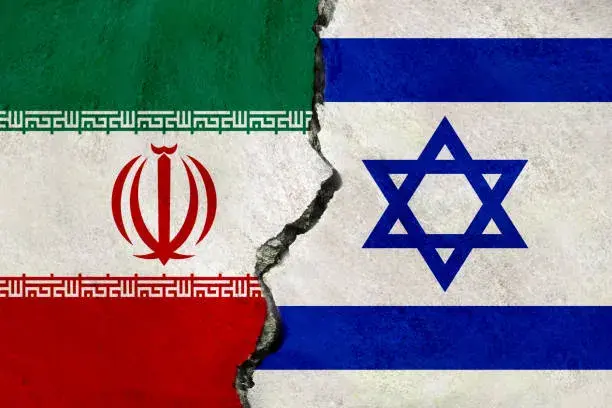
DETROIT- Tensions continued to rise in the Middle East this week as the ongoing war between Israel and Iran’s proxies threatens to destabilize the region. According to Michiganders, the conflict has drastically shaken their ethnic communities.
Last Sunday, members of Hezbollah used an unmanned air vehicle, or UAV, to coordinate an attack on a military base in northern Israel that left four soldiers dead and more than 60 wounded, The Associated Press said.
Israel responded on Monday by orchestrating an airstrike on an apartment building in the Christian village of Aitou in northern Lebanon, killing at least 21 people, according to Reuters.
The same day, more than 200 miles away in northern Gaza, the Israeli military conducted strikes that killed four people in a makeshift tent encampment outside Al-Aqsa Hospital, according to PBS News.
This all comes in wake of a letter addressed from the Biden administration to the Israeli government, advising them to increase humanitarian aid to the Gazans, or risk losing military aid from the United States.
Once again, the Middle East has become the center of debate in American issues.
Michigan is home to the largest Arab population in the nation, housing both Dearborn, which has the highest concentration of Arabs in the U.S., as well as Hamtramck, the country’s only predominantly Muslim city, according to the BBC.

Jomah Chatle is a second-generation Palestinian American who attends Wayne State University in Detroit.
“I wasn’t happy when I heard that Iran had launched missiles at Israel, because I’m thinking of all the innocent Israelis that might die and then this just fuels the flames and justifies more radicals to say what’s going on is ‘necessary’ and ‘it’s justified’…nobody wins in the end.”
Regarding the effects of Iran’s attack on Israel, Chatle said,
“But I was in some sense happy that someone, some country, cause’ you know the U.S. isn’t going to, that somebody was standing up for the people of Lebanon and the people of Palestine.”
The ideological complexities surmount themselves with a new moral quandary each day. With both sides engaging in questionable practices, it becomes increasingly difficult to pinpoint perpetrator and victim.
Dr. Julian Levinson is a professor of Judaic Studies at the University of Michigan.
“Some in the contemporary Jewish community have taken a very strong anti-Zionist perspective, others have found themselves on the defensive, very defensive, and feeling under siege, and feeling increasingly marginalized and feeling betrayed by people that they thought they could trust to respect them,” Levinson said.
“And all of a sudden they understand that kind of critique of Israel’s war strategies, aims, what they’ve done, the critique has been so extreme and powerful that it’s felt like a challenge of something fundamental in Jewish identity.”
There is an innate desire for people to want justice, but it’s the manner in which it’s served that dictates reaction.
For more on this topic click the link below:


Comments